September 02, 2026
Pet Memorial Garden Ideas: Test the Place Before You Plant
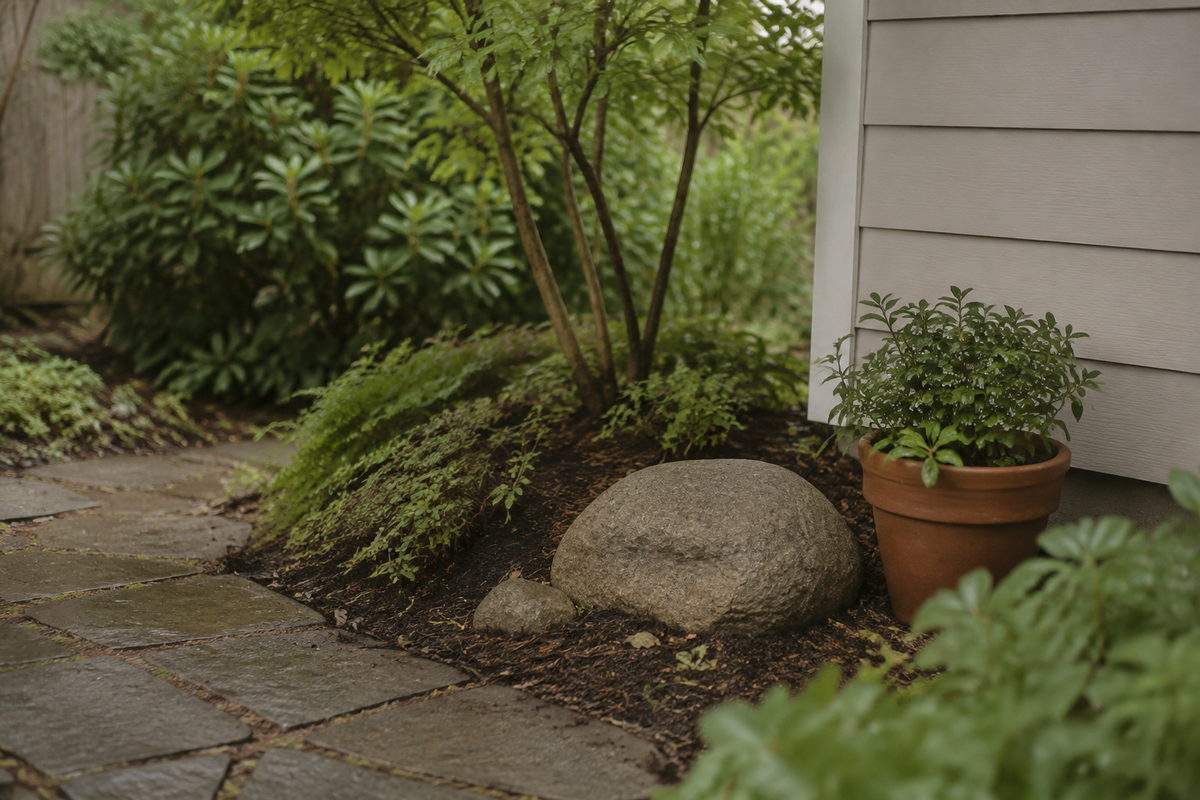
Pet memorial garden ideas can work in a small bed, a movable pot or a clear spot beside an existing path. Choose a place you can reach and care for before buying plants or a marker.
Leave the proposed area mostly empty for a week. Notice the light, access and water after rain. If other pets use the space, include their access to plants in the plan.
Let the empty spot have a trial week
Mark the approximate footprint with spare pots, cardboard or removable tape. Do not dig yet. Visit in the morning, around midday and after rain if you can. A short note each time is enough: direct sun or shade, dry or waterlogged, easy or awkward to reach, calm or beside a noisy gate.
The test may change the plan. A far corner can feel private but become a chore to water. A place beside the back door may be less picturesque and much more likely to become part of daily life. If the ground slopes towards a wall or path, watch where water collects rather than assuming the soil will drain.
Draw only what fits inside the footprint
Use one sheet of paper and draw the outside edge first. Add the route your hand or feet will need for watering, pruning and cleaning. Then place the memorial element and plants. This order leaves access in the plan instead of squeezing it in at the end.
Two layouts to compare
Movable container
marker Pot
Try this for a rented space or balcony. Check runoff and whether you can move the filled pot.
Fixed planting bed
Try this where you can maintain the ground. Check permission and buried utilities before digging.
A small pet memorial garden does not need to imitate a full border. One planter with a plain marker can carry the whole idea. A larger bed can also remain spare. If you want a likeness indoors, the guide to pet memorial portrait ideas covers expression, reference photographs and the choice between a literal and less literal portrait. The outdoor site does not have to repeat that work.

Decide what must be able to move
Renters, balcony gardeners and people expecting a move can treat portability as part of the design rather than a compromise. A container can hold the planting, while a small weather-suitable marker sits beside it. Keep the components light enough for the actual person who will move them, or split one heavy arrangement into two smaller pots.
A container also lets you test a position through changing light and weather. Penn State Extension notes that containers can be used on porches, decks and patios, as long as water can drain away from the roots. The container still needs care. Wind and heat can dry it faster than an in-ground bed, so place it where you will notice it.
Before using a landlord's wall, shared ground or communal path, get permission. Do not make the memorial depend on a fixture you may have to leave behind.
Choose plants by conditions, not symbolism
A plant name associated with remembrance is not enough reason to buy it. Check the site light, mature size, local climate and the care you can realistically provide. For perennials in the United States, the USDA Plant Hardiness Zone Map gives a winter-temperature baseline. It does not replace the plant label or local advice about heat, water, soil and exposure.
If dogs, cats or horses can reach the area, check every plant by its exact common and scientific name. The ASPCA toxic and non-toxic plant database can be filtered by animal, but the organisation says its list is not all-inclusive. Even material from a plant listed as non-toxic can cause stomach upset if eaten. A barrier or an inaccessible placement may be a better choice than relying on a label.
This is why a generic list of memorial flowers is a poor substitute for a local plant decision. Take the plant label home, verify it for the animals who use the space, and ask a reputable local nursery or extension service whether it fits the conditions you recorded.
Give water somewhere to leave
A pot needs an open drainage route and a surface that can tolerate runoff. Penn State Extension explains that waterlogged soil makes it difficult for roots to breathe and recommends drainage holes so excess water can escape. Check the holes before planting, then look again after watering. A decorative outer pot can hide standing water.
For an in-ground site, the trial week should reveal obvious puddling, but it cannot diagnose every soil problem. If the area stays wet, choose another place or get local horticultural advice instead of adding a plant and hoping it adapts. Write watering into the household routine before the garden is finished.
Choose a readable, weather-suitable marker
A marker may hold a name, dates or one short line. It does not need the full story. Think about legibility after rain, strong sun and winter weather, and follow the maker's care guidance for the chosen material. Paper photographs and textile pieces are better kept indoors. The guide to needle-felted pet portrait care explains why felt should stay away from damp conditions and direct sunlight.
Keep the longer record somewhere you can revise. A pet memory box can hold original photographs, tags and private notes, while the garden remains a simple place to visit. If you display a photograph indoors, pet portrait display guidance can help you test height and light before making holes.
Pause before any digging
Permanent work adds responsibilities that a movable pot avoids. In the United States, 811 is the national before-you-dig service. Its guidance says to contact 811 or the relevant state centre a few business days before digging, including for planting trees and shrubs, then wait for utilities to respond. Outside the United States, use the local utility-location service. Property permission and local rules still apply.
A memorial garden does not need to be a burial place. Keep any decision about remains or ashes separate from plant and layout planning, and follow local law, property rules and the provider's guidance rather than an online garden list.
Review the layout after the first growing season
After the first growing season, ask what you actually used. Did you sit there, stop on the path or only notice the container while watering? Remove anything that has become difficult to maintain. Move a portable piece if the light or access was wrong. Replace a plant only after checking the new choice against the same conditions.
You can leave the pot bare in winter or keep only the marker if planting becomes difficult. Check the position again when access, light or your household routine changes.