September 03, 2026
Pet Memorial Service Ideas: Build a Simple Run Sheet
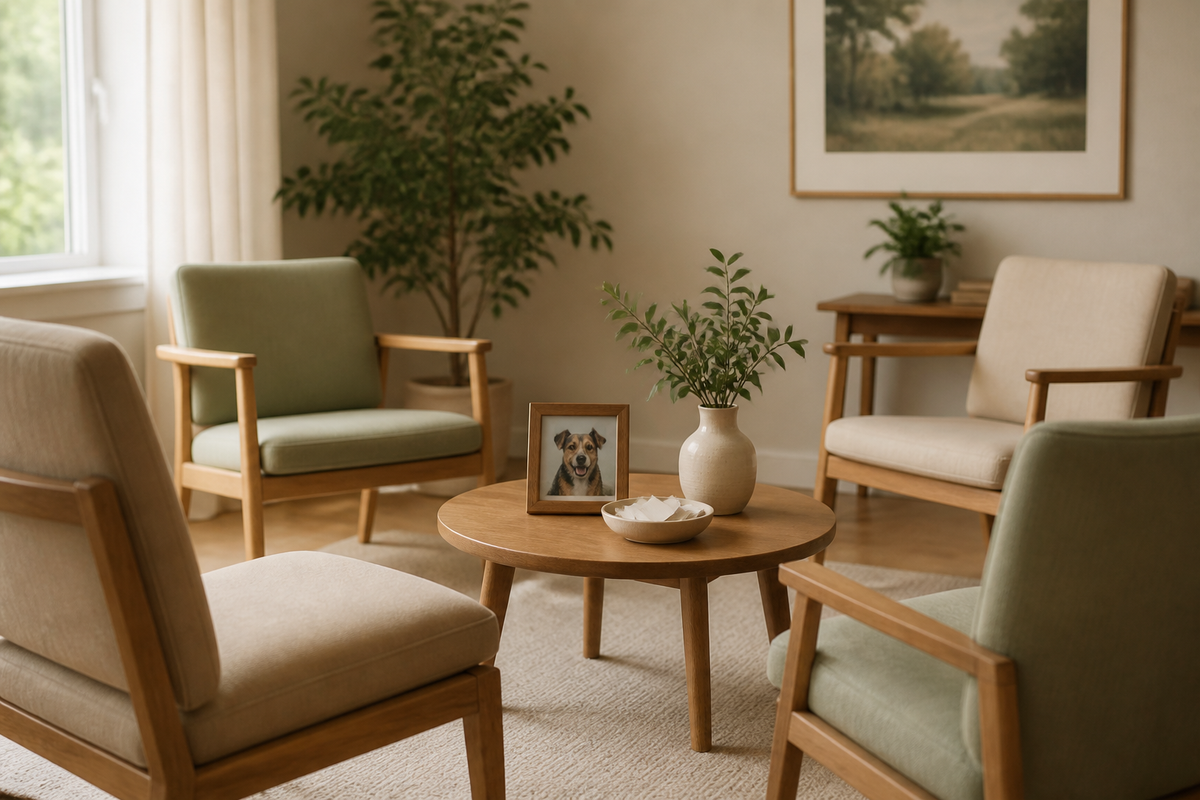
Start with a short run sheet when comparing pet memorial service ideas. Decide how the gathering will begin and end, then choose readings, photographs, songs or keepsakes that fit between those points.
This can be a private half hour at home, a small gathering in a familiar room or a brief call with people who live elsewhere. It does not need to resemble a human funeral, and it does not need to settle decisions about burial, cremation or ashes. Those are separate choices. Here, the job is simply to make space for a few people to remember one animal together.
Start with one 35-minute page
Set an end time before you write the opening. The sample below lasts thirty-five minutes, with time for a welcome, memories and a closing. If your household wants ten minutes or an hour, change the page. Keep the order visible to the person leading the gathering.
| Minutes elapsed | Suggested activity |
|---|---|
| 0:00 to 0:05 | Welcome people and say why you have gathered. |
| 0:05 to 0:10 | Read one short description of your pet as they were in daily life. |
| 0:10 to 0:25 | Use one memory prompt and hear from anyone who chooses to answer. |
| 0:25 to 0:30 | Pause beside one photograph, object or piece of music. |
| 0:30 to 0:35 | Close, explain the next ordinary step and thank everyone. |
Read the page aloud once. A song that looked brief may be five minutes long. Six speakers can turn one prompt into half an hour. Remove material rather than asking everyone to hurry through it. Within those time slots, leave two or three minutes unplanned so nobody has to fill every pause.
Choose the room and guest list together
Invite people who understand what the gathering is. A small group of close family, a neighbour who knew the dog well or the friend who looked after the cat may fit better than a broad social invitation. The Ohio State University Veterinary Medical Center lists a private or shared memorial or celebration of life among the ways people may honour a pet. It also suggests inviting people who had a special relationship with that animal.
Tell guests the expected length, whether they may share a memory and whether the gathering is in person or online. Do not surprise somebody with a speaking role. If a person cannot attend, offer a specific alternative: send one photograph, write three sentences or join only for the opening.
The room should support the group rather than carry symbolism by itself. Check seats, access, temperature and background noise. Put water and tissues where people can reach them without crossing the centre of the room. If the planned place feels too exposed on the day, move indoors. The meaning does not depend on a particular setting.
Give the middle one memory prompt
Open invitations such as “Would anyone like to say something?” can leave people searching for an entire life story. Ask one narrower question instead. You might use: “What small habit still makes you smile?”, “When did they make the house feel most like home?” or “What did they always notice before everyone else?”
The Ohio State pet-loss guide offers story prompts about how you met, nicknames, personality traits and what you loved or will miss. Choose one prompt that sounds like your pet, then send it with the invitation. Guests can think before they arrive, and anyone who would rather listen can do that.
Keep a private note from becoming a public reading by accident. The guide to writing a pet sympathy card is for a message to another grieving person. A service prompt has a different purpose: it helps a group recall one recognisable detail together.

Use one visual anchor, not every keepsake
Choose one photograph, portrait or familiar object that can be seen without being passed from hand to hand. The best choice is usually easy to recognise and easy to place safely. A worn lead or favourite toy may prompt a story, but it does not have to stay in the room if handling it feels too difficult.
A single image also leaves space for people to look up and speak to one another. If you are still deciding which expression or reference photograph should lead, pet memorial portrait ideas covers literal and less literal approaches. Do not commission or print something only because the gathering is approaching. An ordinary phone photograph in a simple frame is enough.
Keep original photographs, tags and private notes out of a busy shared area. Sort them later using the pet memory box guide, which separates display copies from irreplaceable originals. The gathering can use one copy without making every object public.
Make participation optional for children and current pets
Tell children what the gathering is before guests arrive. Cornell University College of Veterinary Medicine notes that children understand death differently at different ages. Its pet-loss guidance recommends honest conversation, listening and allowing questions. It also names drawing, writing a story and sharing memories as possible ways for a child to take part.
Offer a choice that can be changed: read a sentence, place a drawing, sit with an adult, join only for the opening or stay in another room. Do not make the youngest person deliver the emotional centre of the service. Adults should be ready to lead, pause or finish the plan.
Current pets do not need a ceremonial role. A room with unfamiliar people, moved furniture or strong emotion may not suit them. Follow their normal routine where possible and let them stay in a quiet, familiar place if that is easier. Avoid passing collars, food or small objects around where an animal could reach them.
Make the online version smaller
A video call works best when it is not treated as a full in-person room. Choose one host, ask everyone else to mute when not speaking and decide how people will signal that they want a turn. Send the same single prompt in advance. Test the photograph and music from the device that will actually be used.
Do not build the service around a slideshow that has not been tested. One photograph held steady near the camera is more dependable than twenty images that load slowly. If somebody loses the connection, continue with the run sheet instead of restarting the whole gathering. You can send the closing words afterwards.
Remote guests may also prefer to contribute privately. Ask for one memory by email and let the host read it only with permission. A person who cannot attend is not less connected to the remembrance.
Close on the next ordinary action
Write the final two sentences word for word. The first can thank people for remembering your pet. The second should explain what happens now: tea is in the kitchen, the call will end, the room will stay open for ten minutes or the family is taking a short walk. An ordinary action gives everyone a clear transition without pretending the feelings are finished.
If you want an outdoor place to visit later, plan it as a separate project. The pet memorial garden guide starts with a trial week, plant-access checks and a movable option. It does not need to be completed for the service.
Keep the run sheet after the gathering and add only one note about what mattered. It might be a story you had never heard, the photograph everyone recognised or the moment the room became quiet. The page is a record of the gathering, not a score. Nothing needs to be repeated perfectly next year.